
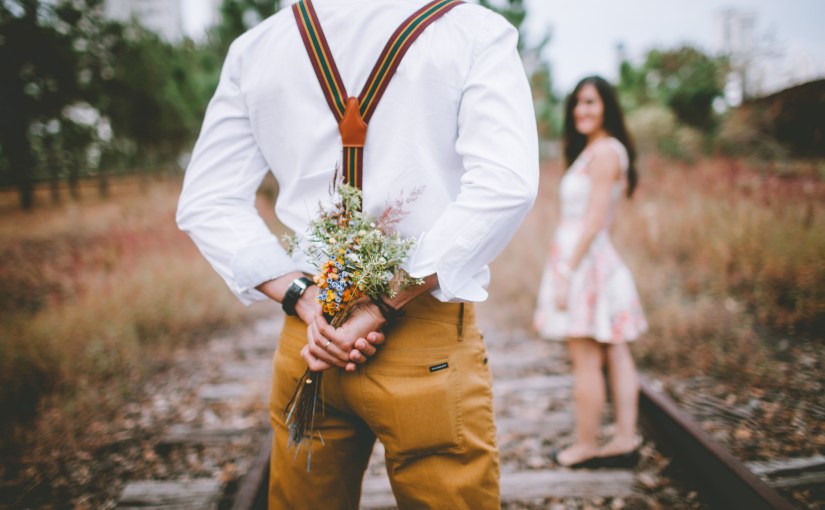
Valentine’s week approaches, and whilst chocolates and flowers have their place, there’s something uniquely magical about sharing a beautiful film with someone special. Whether you’re celebrating with a partner, treating yourself to some self-love, or gathering friends for a cosy evening in, the right romantic film can make your heart soar, bring tears to your eyes, and remind you why love, in all its messy, complicated glory, remains life’s greatest adventure.
This year, instead of reaching for the same predictable rom-coms, why not embark on a cinematic journey through time? I have curated an exquisite collection of romantic films spanning six decades, each offering a unique perspective on love’s many faces. From the witty sophistication of 1960s romance to the bittersweet realism of modern love stories, this Valentine’s viewing guide celebrates the evolution of how cinema captures the human heart.
So dim the lights, prepare your favourite snacks, and let these timeless tales of connection, passion, and devotion sweep you off your feet.
The Swinging Sixties: When Romance Met Comedy
Barefoot in the Park (1967)
Start your Valentine’s week with this utterly charming Neil Simon adaptation starring Jane Fonda and Robert Redford as newlyweds navigating their first week of marriage in a tiny fifth-floor walk-up Manhattan flat. What makes Barefoot in the Park perfect Valentine’s viewing is its celebration of opposites attracting and the beautiful chaos of early marriage.
Redford plays the conservative, buttoned-up lawyer Paul, whilst Fonda shines as the free-spirited Corie who wants to walk barefoot through Washington Square Park. Their chemistry crackles with genuine warmth and humour, reminding us that love isn’t about finding someone exactly like us, it’s about embracing the delightful differences that make life an adventure.
The film’s message resonates just as powerfully today: relationships require compromise, laughter, and the willingness to occasionally walk barefoot in the park, even when it feels uncomfortable. It’s the perfect reminder that love flourishes when we step outside our comfort zones for each other.
The Turbulent Seventies: Love’s Darker Shades
The Panic in Needle Park (1971)
Now, we’re venturing into unconventional Valentine’s territory with Al Pacino and Kitty Winn’s raw, unflinching portrayal of love amongst addiction. Set in New York’s “Needle Park,” this gritty drama follows Bobby and Helen’s relationship as heroin gradually consumes their lives.
Why include this challenging film in a Valentine’s guide? Because real love isn’t always pretty. The Panic in Needle Park shows us that devotion can persist even in the darkest circumstances, and that sometimes loving someone means watching them struggle with demons you cannot defeat. It’s a sobering reminder that love alone cannot solve everything, but it can provide moments of genuine connection amidst chaos.
This film works beautifully as a conversation starter about the complexities of loving someone through difficult times, making it ideal for couples who appreciate cinema that challenges rather than merely entertains.
The Way We Were (1973)
For a more traditionally romantic seventies experience, Barbra Streisand and Robert Redford’s bittersweet love story offers everything Valentine’s week demands: passion, heartbreak, and that unforgettable title song that’ll have you reaching for tissues.
Katie and Hubbell’s relationship explores how political differences, opposing worldviews, and divergent life goals can strain even the most passionate connections. The film’s honesty about why some loves, however intense, cannot last forever makes it achingly beautiful. Sometimes the most romantic act is recognising when letting go serves both people better than holding on.
The Excessive Eighties: Grand Gestures and Timeless Tales
When Harry Met Sally (1989)
No Valentine’s collection feels complete without this iconic romantic comedy that asks the eternal question: can men and women truly be just friends? Meg Ryan and Billy Crystal deliver career-defining performances as two people who spend twelve years dancing around their feelings before finally admitting the truth.
What makes When Harry Met Sally perfect for Valentine’s week is its celebration of friendship as romance’s foundation. Harry and Sally genuinely like each other; they laugh together, support each other, and show up for each other long before romance enters the picture. The film reminds us that the best romantic partners are also our best friends.
The famous “I’ll have what she’s having” scene has become cultural shorthand for joy, but the film’s real magic lies in those quiet moments of conversation, proving that sometimes the most romantic thing two people can do is simply talk.
Say Anything (1989)
Lloyd Dobler holding that boombox aloft, blasting Peter Gabriel’s “In Your Eyes” outside Diane Court’s window, has become one of cinema’s most iconic romantic gestures. But Say Anything offers so much more than one memorable scene—it’s a tender exploration of first love, complete with all its awkwardness, intensity, and world-changing possibility.
The film beautifully captures that moment when we’re young enough to love with reckless abandon but old enough to recognise love’s transformative power. Lloyd’s earnest declaration, “I don’t want to sell anything, buy anything, or process anything as a career. I don’t want to sell anything bought or processed, or buy anything sold or processed”, speaks to anyone who’s ever felt uncertain about their future but absolutely certain about their feelings.
The Notable Nineties: Redefining Romance
Frankie and Johnny (1991)
Garry Marshall’s adaptation of Terrence McNally’s play brings us Michelle Pfeiffer and Al Pacino as two damaged souls who find an unexpected connection. Frankie, a waitress scarred by past relationships, meets Johnny, an ex-convict starting fresh as a short-order cook, and their tentative romance unfolds with beautiful authenticity.
What makes Frankie and Johnny essential Valentine’s viewing is its mature perspective on love. These aren’t starry-eyed youngsters; they’re middle-aged people carrying emotional baggage, trust issues, and realistic fears about getting hurt again. The film reminds us that love doesn’t require perfection; it requires vulnerability, patience, and the courage to try again despite past disappointments.
Pacino’s Johnny pursues Frankie with gentle persistence, never pressuring but consistently showing up, demonstrating that real romance often looks less like grand gestures and more like a steady, reliable presence.
Scent of a Woman (1992)
Whilst primarily a story about mentorship and redemption, Scent of a Woman contains one of cinema’s most swoon-worthy romantic moments. When blind, bitter Lieutenant Colonel Frank Slade (Al Pacino in an Oscar-winning performance) takes young Donna for a tango, the scene becomes a masterclass in seduction, confidence, and living fully in the moment.
Frank’s monologue, “If you make a mistake, get all tangled up, just tango on”,—applies beautifully to romance. Love requires taking risks, accepting imperfection, and dancing through the mistakes with grace and humour. The scene reminds us that romance isn’t about youth or conventional attractiveness; it’s about presence, confidence, and making someone feel absolutely seen.
Include this film in your Valentine’s viewing to celebrate the idea that passion and romance can strike at any moment, regardless of circumstances.
The Transformative 2000s: Love’s Complexities
Eternal Sunshine of the Spotless Mind (2004)
Charlie Kaufman’s brilliant, heartbreaking screenplay, combined with Michel Gondry’s imaginative direction, creates one of cinema’s most profound meditations on love, memory, and identity. When Joel (Jim Carrey) discovers that Clementine (Kate Winslet) has erased all memories of their relationship, he undergoes the same procedure, only to realise, as memories disappear, that he wants to hold onto them after all.
This unconventional romance asks difficult questions perfect for Valentine’s contemplation: If we could erase painful memories, should we? Don’t those painful moments shape who we become? Isn’t the risk of heartbreak intrinsic to love’s reward?
The film’s ultimate message—that Joel and Clementine choose each other despite knowing their relationship will likely fail again—celebrates love’s irrational, glorious persistence. We love not because it’s logical or safe, but because being fully alive requires opening ourselves to both joy and pain.
Eternal Sunshine proves that the most romantic films don’t always feature happy endings; sometimes they simply honour the beautiful, terrible truth that loving someone changes us forever, regardless of whether the relationship lasts.
The Dynamic 2010s: Modern Love Stories
La La Land (2016)
Damien Chazelle’s dazzling musical follows aspiring actress Mia (Emma Stone) and jazz pianist Sebastian (Ryan Gosling) as they fall in love whilst pursuing their artistic dreams in Los Angeles. With stunning cinematography, infectious music, and chemistry that lights up the screen, La La Land feels like a love letter to both romance and ambition.
What makes this film particularly poignant for Valentine’s reflection is its honest exploration of how love and ambition sometimes conflict. Mia and Sebastian deeply love each other, yet they also love their crafts, their dreams, their individual paths. The film asks whether we can truly have both the relationship and the dream, or whether sometimes we must choose.
The epilogue sequence, showing what might have been, doesn’t diminish their love story; it honours it. La La Land suggests that some relationships, however impermanent, transform us in ways that resonate throughout our lives. The loves that don’t last can still be meaningful, beautiful, and absolutely worth experiencing.
This bittersweet masterpiece serves as a sophisticated Valentine’s choice for couples navigating their own balance between togetherness and individual growth.
Why These Films Matter
Romance in cinema evolves with society’s changing attitudes towards relationships, gender roles, and what constitutes a “happy ending.” This curated collection shows how romantic storytelling has matured from the idealistic 1960s through the more complicated, realistic portrayals of modern love.
What remains constant across all decades? The recognition that love, whether it lasts forever, ends in heartbreak, or transforms into something unexpected, profoundly shapes human experience. These films remind us that opening our hearts always involves risk, and that risk makes life worth living.
This Valentine’s week, let these beautiful films remind you why love, in all its forms, deserves celebration. Whether you’re wildly in love, navigating relationship challenges, healing from heartbreak, or simply appreciating your own company, there’s a film here that speaks to your heart.
After all, the greatest love story you’ll ever experience is your own; these films simply help us understand it better.

Get new blogs delivered to your inbox.
Discover more from The Ravi Kirthy Blog
Subscribe to get the latest posts sent to your email.
